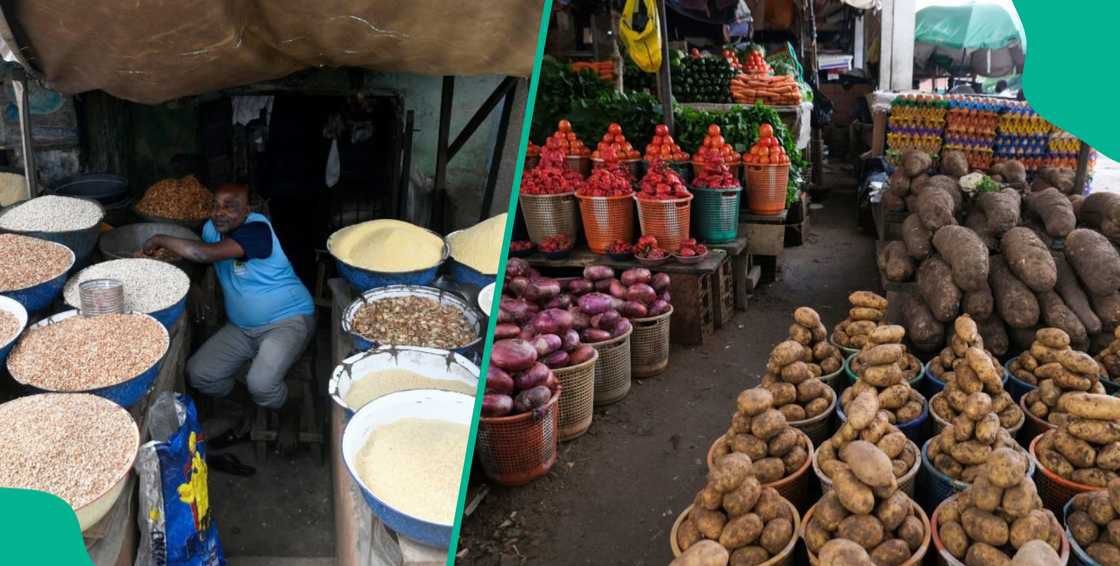
Food prices have risen sharply across major markets in Lagos, with traders and residents reporting significant increases in the cost of essential commodities over the past weeks.
Findings from Mile 12 Market, Oyingbo Market, and other trading hubs show that prices of staple foods such as rice, beans, garri, bread, cooking oil, eggs, and vegetables have increased, placing further pressure on household spending.
A visit to some of these markets by our reporter showed that the price changes have been happening gradually, but many buyers say the difference is now too much to ignore.
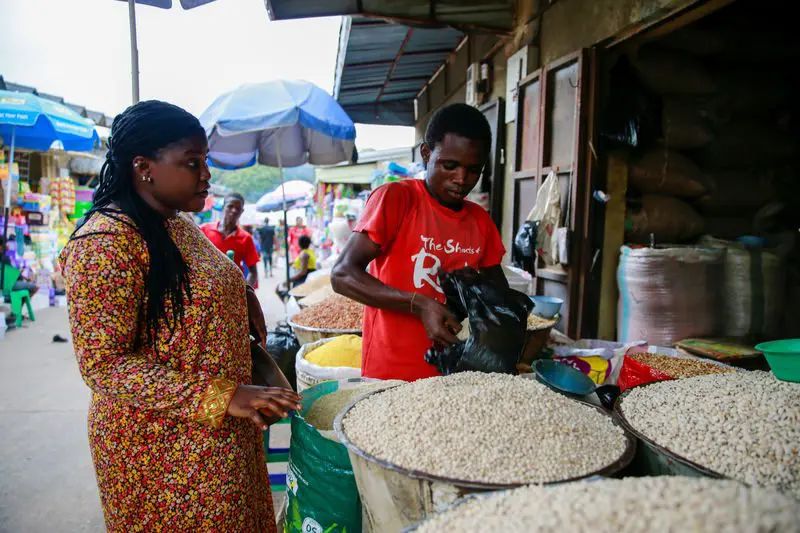
At Mile 12 Market, a 50 kilogram bag of rice, which previously sold at a lower price, now attracts a higher cost depending on brand and location. Similar increases were observed in the prices of beans and cooking oil.
A measure of garri that used to sell for a particular amount now goes for almost double the price in some locations. The same applies to other food items like bread, eggs, and tomatoes.
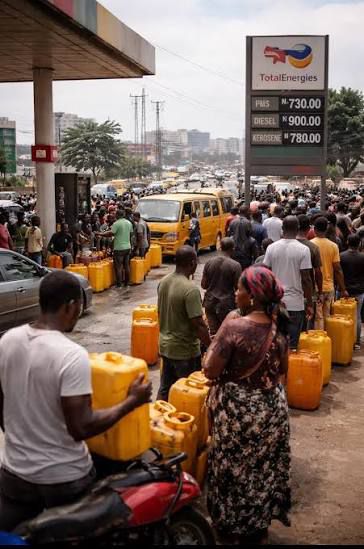
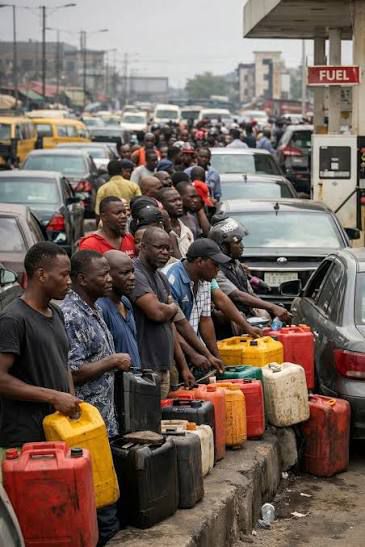
Traders attributed the continuous rise to high transportation costs, fuel price increases, and challenges in moving agricultural produce from rural areas to urban markets.
“Prices are not stable anymore. Customers complain every day and many now reduce what they buy. Before, somebody can come and buy a full bag of rice, but now they are buying half bag or even smaller. It is affecting our business too.” Mrs Funke Adeyemi, Food Seller at Mile 12 Market
A food seller at Mile 12, Mrs Funke Adeyemi, said frequent price changes have affected sales and customer demand. She explained that many of her customers now buy in smaller quantities because they cannot afford to buy in bulk like before.
Some residents said they have adjusted their diets due to the rising cost of food items. A Lagos resident, Daniel Okoro, said basic household planning has become difficult.
“Even budgeting for food is now a problem because prices change so fast. What you budgeted for last week cannot work this week. You go to the market with a particular amount and you find out that what you want to buy has gone up again.” Daniel Okoro, Lagos Resident
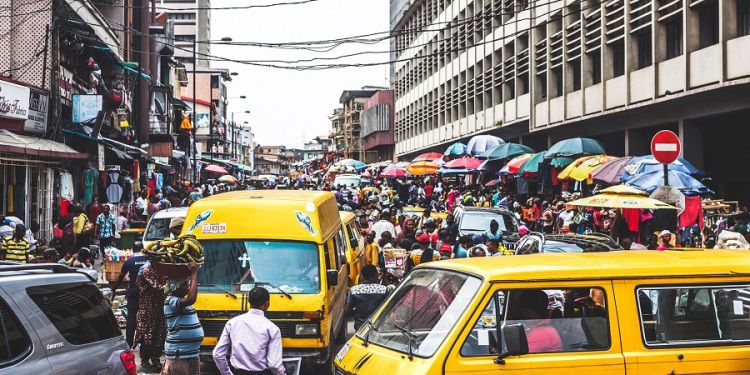
Transport operators also noted that higher fuel costs have contributed to increased fares, which in turn affects the final cost of goods in the market. Some of them said they have no choice but to charge more because the cost of maintaining their vehicles and buying fuel has gone up.
A driver who supplies goods from farms in Ogun State to Mile 12 Market said the money he spends on fuel alone has doubled compared to what it was some months ago.
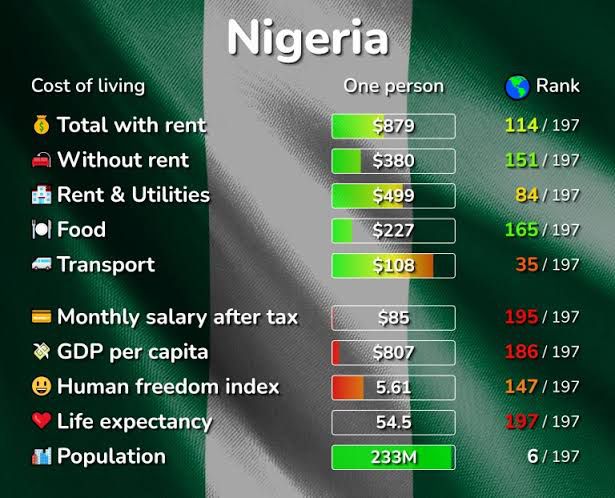
Economic analysts link the development to inflationary pressure, high logistics costs, and exchange rate instability, noting that food inflation remains one of the major challenges facing households across the country.
The Federal Government has previously announced interventions aimed at improving food supply and reducing inflation, but many residents say they are yet to experience any relief from these efforts.
Some traders also mentioned that insecurity in farming communities has made it harder for farmers to produce enough food, and this has contributed to the scarcity and price increase.
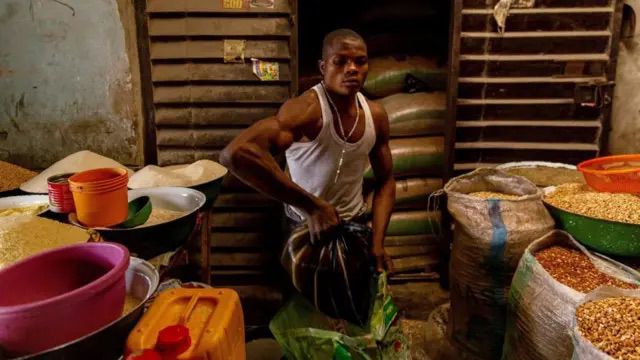
As prices continue to rise, households across Lagos are increasingly cutting back on consumption and prioritizing basic survival needs. Many families said they now eat fewer times in a day or switch to cheaper alternatives just to manage what they have.
Market women and food sellers also called on the government to do something about the situation, saying that if things continue like this, many of them may have to close their businesses because customers are no longer coming to buy like before.